

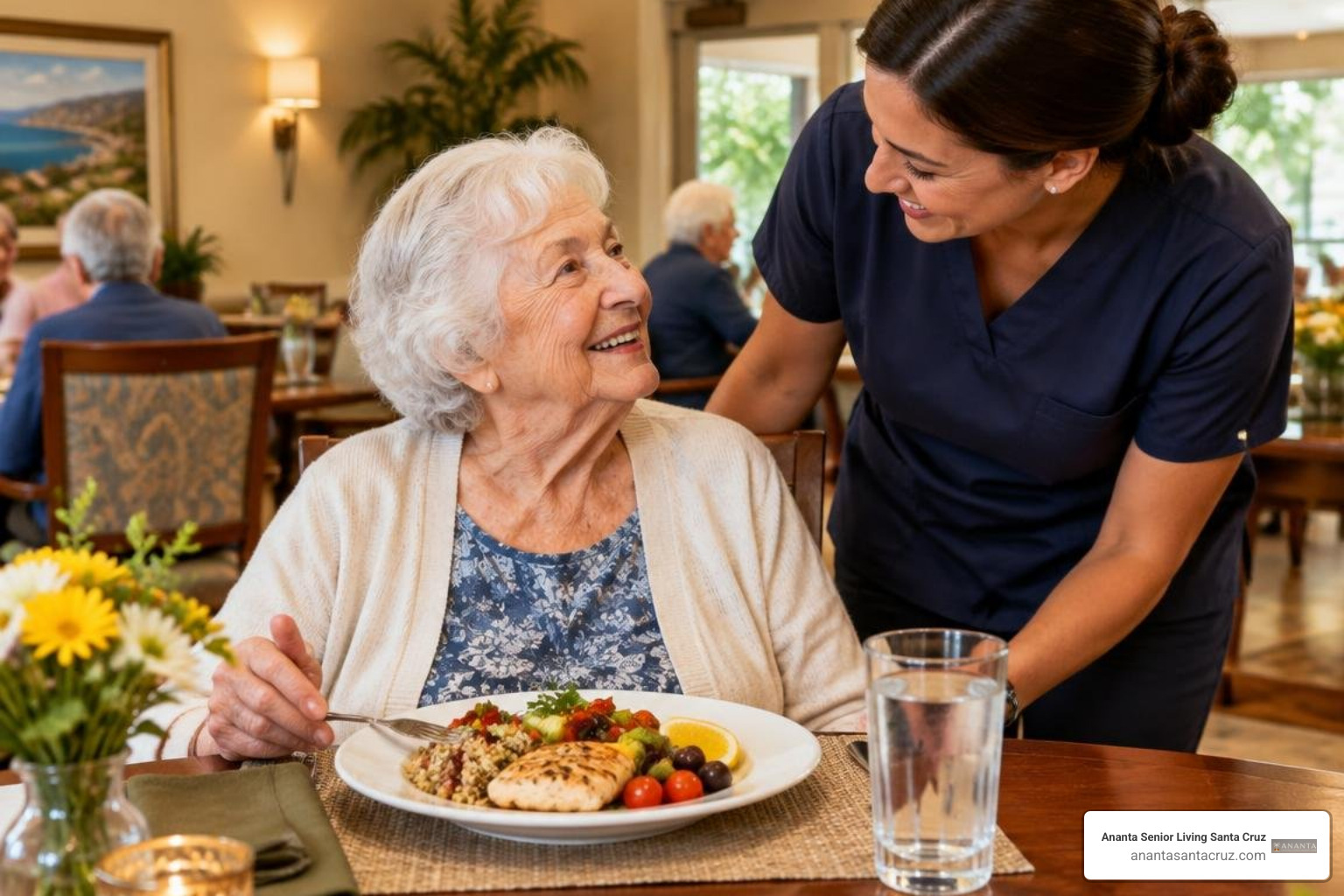


Visit Ananta
We’d love to introduce you to what makes our community special.
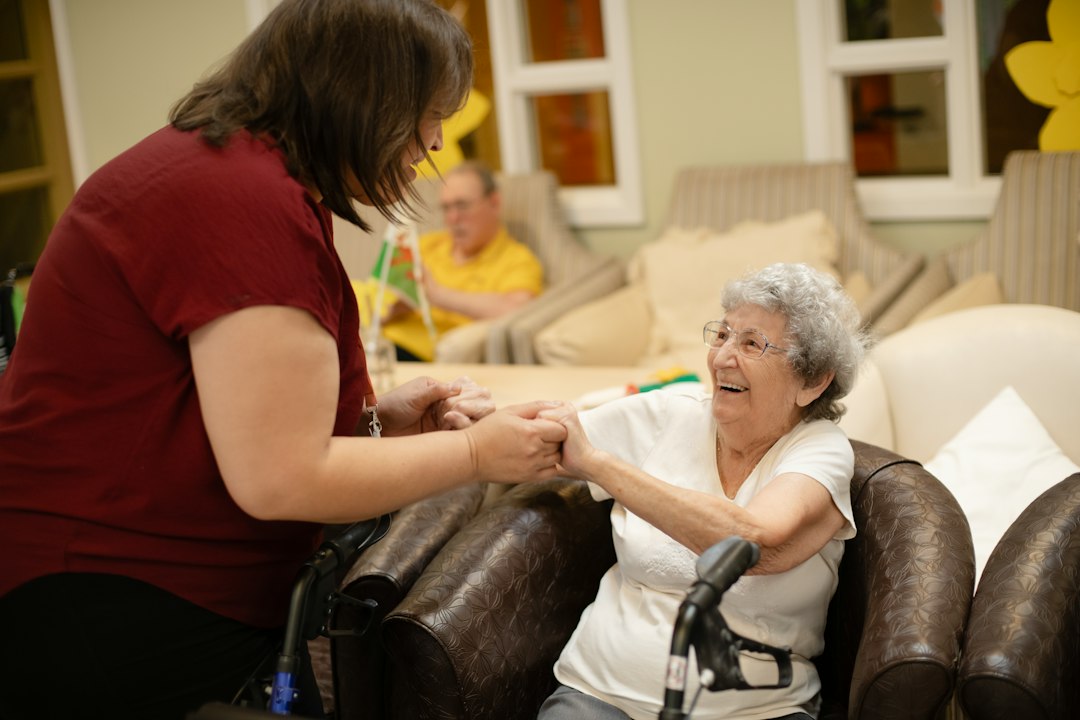
Assisted living with 24/7 nursing may be a good fit when a parent needs help with daily tasks and regular medical oversight, but does not need the level of treatment a nursing home provides. Before choosing a community, ask who is on-site overnight: a registered nurse, another licensed nurse, or a caregiver who can call a nurse. Those are different levels of support.
If your parent has frequent medical crises or needs ongoing skilled treatment, ask their doctor whether a nursing home is safer. This guide will help you compare care, staffing, costs, and the questions to ask on a tour.
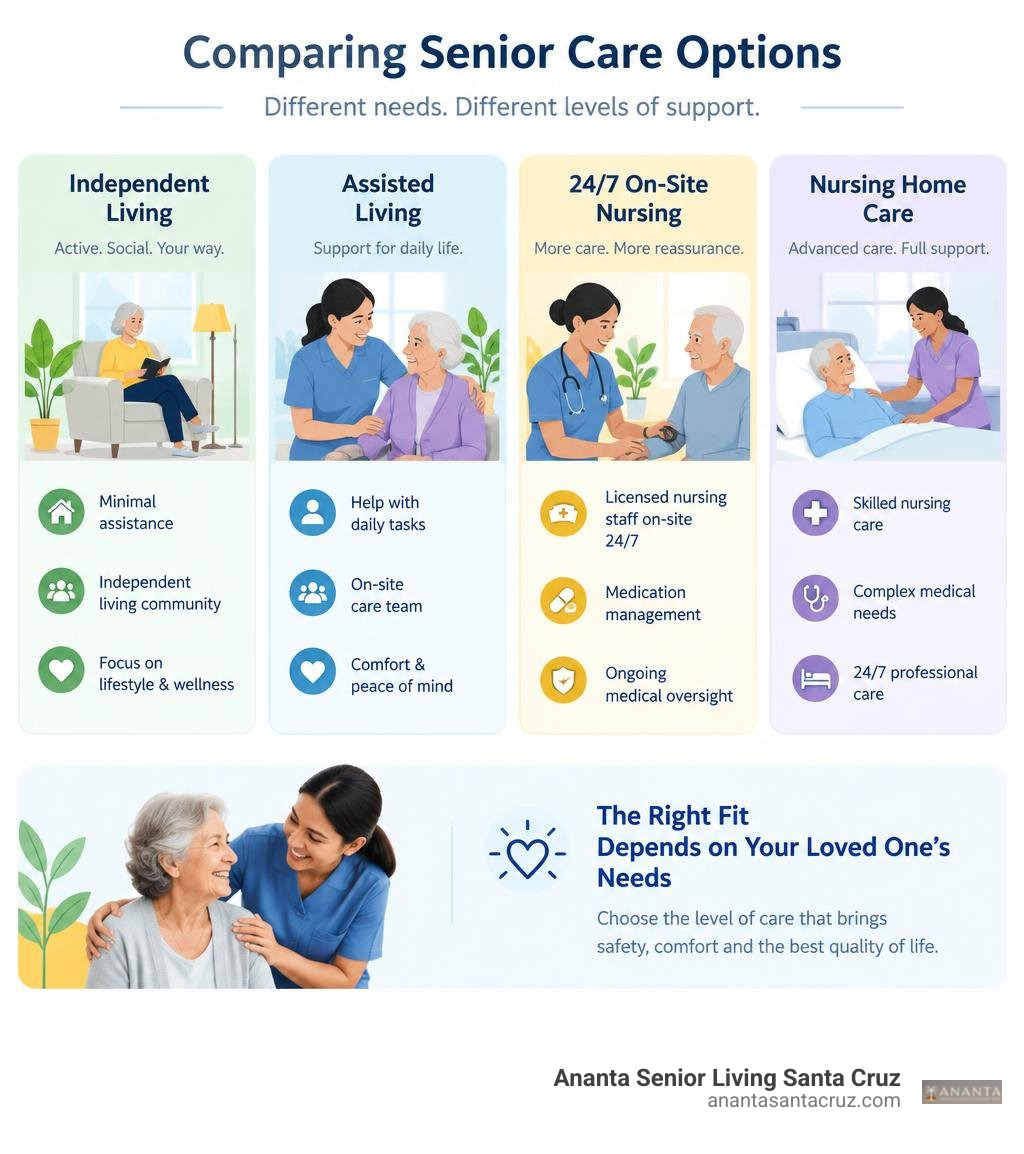
Across the nation, approximately 1.2 million Americans reside in assisted living communities. A growing number of these individuals manage complex, chronic conditions or are recovering from hospital stays. Finding the sweet spot between independence and medical care is one of the most critical decisions families face.
Assisted living with continuous nursing bridges the gap between traditional residential senior living and skilled nursing facilities (nursing homes). In this model, residents enjoy private apartments, engaging social calendars, chef-prepared meals, and upscale amenities, alongside around-the-clock clinical supervision from licensed nurses (RNs or LVNs).
While custodial care covers help with activities of daily living (ADLs)—such as dressing, bathing, and eating—clinical oversight ensures that acute health changes, complex medication schedules, wound care, and vital signs receive immediate professional attention.
| Feature | Assisted Living with 24/7 Nursing | Assisted Living with Memory Care |
|---|---|---|
| Primary Focus | Complex physical health needs & chronic disease monitoring | Cognitive impairment, Alzheimer’s, & dementia support |
| Nursing Presence | Licensed nurses (RN/LVN) on-site 24 hours a day | Specialized dementia-trained staff, nurse on-site or on-call |
| Environment | Residential, accessible, barrier-free suites | Secure, wander-managed environments with sensory design |
| Typical Services | IV therapies, diabetes management, complex wound care | Cueing, cognitive stimulation, behavioral de-escalation |
| ADL Support | Full assistance with bathing, dressing, mobility, transfers | Full assistance tailored to cognitive stages and routines |
Standard assisted living is designed for seniors who need a helping hand with daily tasks but have relatively stable health. In standard communities, a nurse may only be on-site during business hours or available “on-call” overnight. If a resident develops sudden shortness of breath or experiences a late-night fall, non-clinical caregivers must evaluate the situation and dial 911.
In contrast, assisted living with round-the-clock nursing provides continuous clinical oversight. Having a licensed nurse on the floor at 2:00 AM means immediate triage, precise assessment of changes in condition, and rapid medication administration. This clinical presence allows seniors with unstable diabetes, congestive heart failure, Parkinson’s disease, or advanced respiratory needs to enjoy a vibrant residential lifestyle without moving into a sterile, institutional hospital environment.
Around-the-clock nursing care addresses several critical daily and nocturnal health needs:
Facilities that maintain registered nursing around the clock see up to a 30% reduction in hospital readmissions compared to facilities relying solely on part-time or on-call clinical teams.
Recognizing when standard care at home or basic assisted living is no longer sufficient can be difficult. Nearly 60% of assisted living residents require assistance with three or more activities of daily living, and many develop progressive medical needs that overwhelm family caregivers.
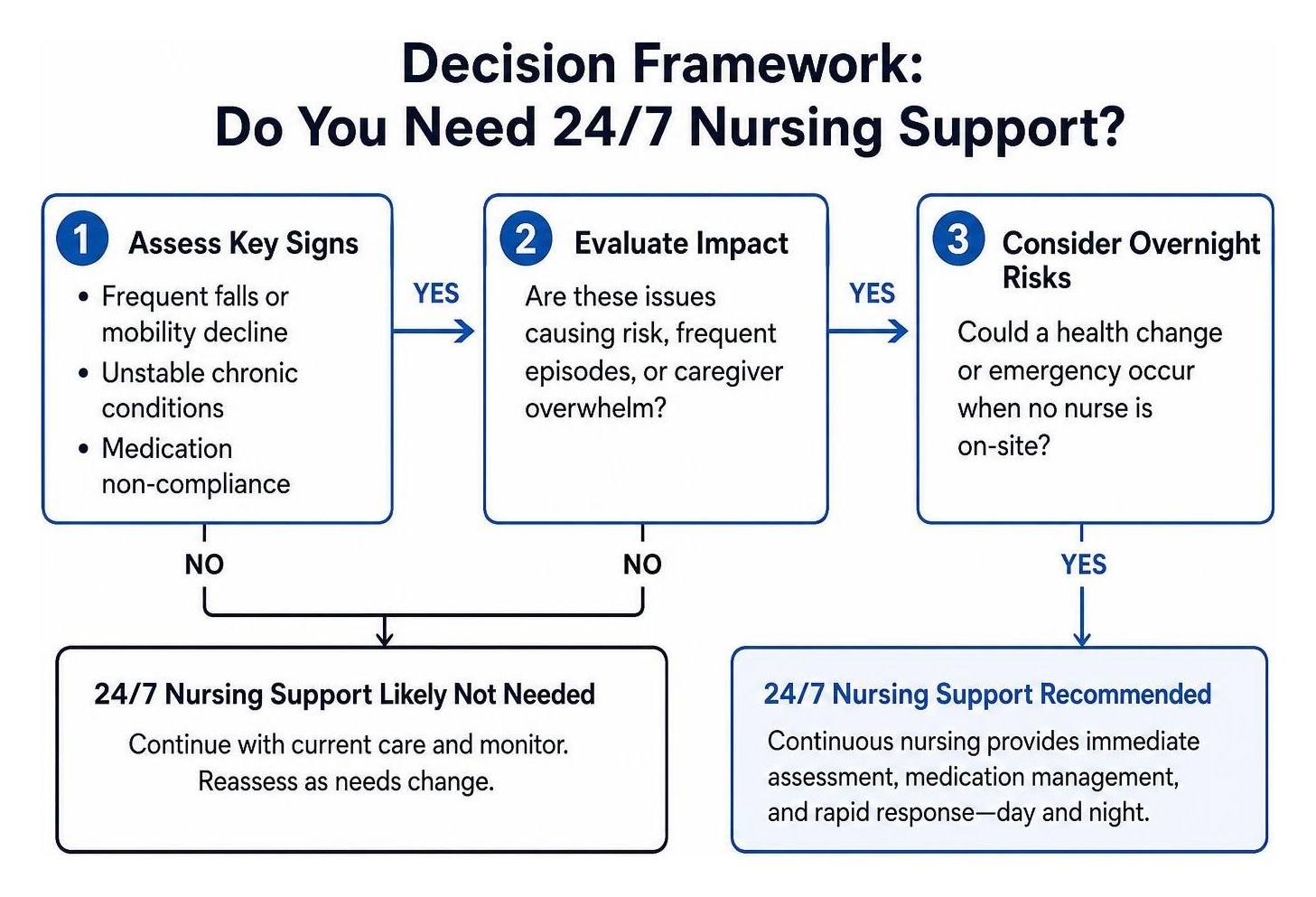
Key warning signs that indicate a need for 24/7 medical oversight include:
As progressive conditions like Parkinson’s disease, advanced arthritis, or early-to-mid stage dementia progress, physical self-care becomes challenging. Our care staff works hand-in-hand with our 24/7 nursing team to provide seamless personal care:
Continuous nursing is not just about reacting to crises—it focuses on proactive, preventive wellness. By tracking subtle baseline shifts—such as slight changes in cognition, skin color, appetite, or gait—our nurses intervene before a minor issue requires an emergency room visit.
Whether a resident is transitioning back from a hospital stay or managing a progressive illness, personalized care plans adapt to every stage, balancing physical rehabilitation with holistic well-being.
Budgeting for senior care requires a clear look at pricing models. Nationwide, standard assisted living without continuous nursing averages around $4,500 per month. When round-the-clock licensed nursing care is integrated, average monthly costs typically range from $5,000 to $8,000, depending on the level of clinical support required, apartment size, and geographic location.
Most assisted living communities with comprehensive medical care use one of two fee structures:
Navigating senior living finances can feel daunting, but several programs can help offset monthly expenses:
Not every community that claims “24-hour care” provides licensed nurses on-site at all hours. When evaluating options, look closely at staffing credentials, staff-to-resident ratios, and licensing standards.
In California, assisted living communities operate as Residential Care Facilities for the Elderly (RCFE) and are regulated by the Department of Social Services Community Care Licensing Division under Title 22. These regulations govern:
When touring prospective communities across Santa Cruz, Capitola, Watsonville, and Scotts Valley, use this checklist to assess the quality of care:
No. Medicare does not cover the room, board, or standard custodial care provided in assisted living communities. However, Medicare Part B may cover specific outpatient medical services provided on-site, such as visiting physician appointments, physical therapy, occupational therapy, and hospice care.
On-call nursing means a nurse is reachable by phone during off-hours, leaving direct resident care to unlicensed caregivers who must decide whether to call the nurse or dial 911. 24/7 on-site nursing guarantees that a licensed clinical professional is physically present in the building at all times, ready to administer injections, assess sudden symptoms, manage emergencies, and supervise medications directly.
Yes. Couples with differing health requirements can share the same apartment. One spouse may receive comprehensive around-the-clock nursing care and daily ADL assistance, while the other enjoys an active, independent lifestyle, preserving their companionship without separating them into different facilities.
Choosing the right care community is an act of love that restores peace of mind for the entire family. When medical needs grow, seniors shouldn’t have to sacrifice dignity, comfort, or their personal lifestyle in an institutional environment.
At Ananta Senior Living Santa Cruz, we blend clinical care with upscale coastal living. Located at 102 Pelton Ave, Santa Cruz, CA, our pet-friendly community features ocean-view apartments, chef-prepared dining, and a dedicated 24/7 on-site team providing continuous nursing and memory care. Discover how our luxury assisted living in Santa Cruz supports long-term health, independence, and comfort. Contact our care team today to schedule your private tour.
For more information about our care, view our other page.
We’d love to introduce you to what makes our community special.